The most common gear type used in machinery. Spur gears consist of straight teeth cut parallel to the gear axis on a cylindrical body.
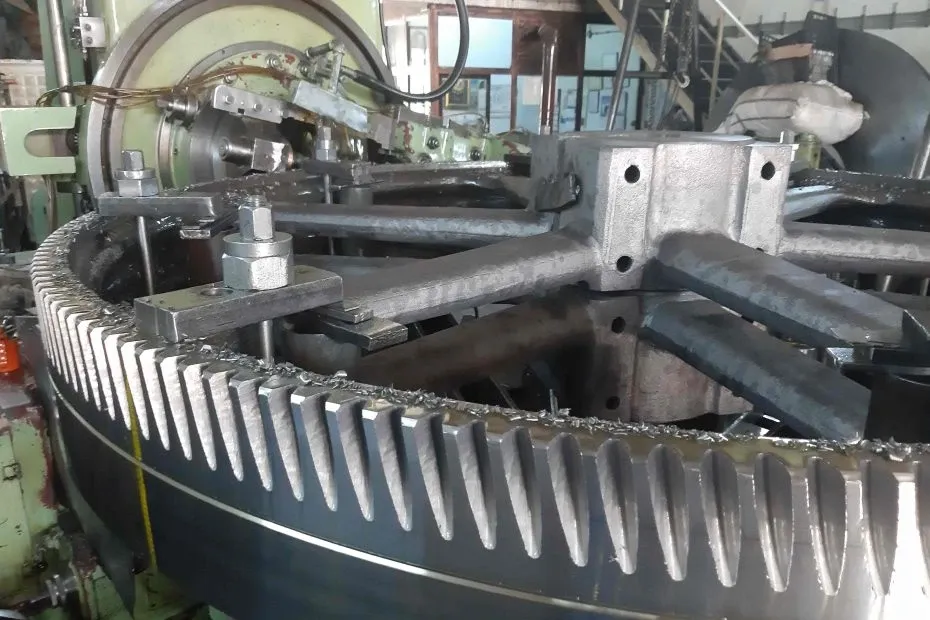
Unlike spur gears, helical gears have teeth cut at an angle (helix) on a cylindrical body — providing smoother, quieter operation.

Two helical gears with opposite helix angles joined back-to-back — cancels axial thrust and transmits higher torque.
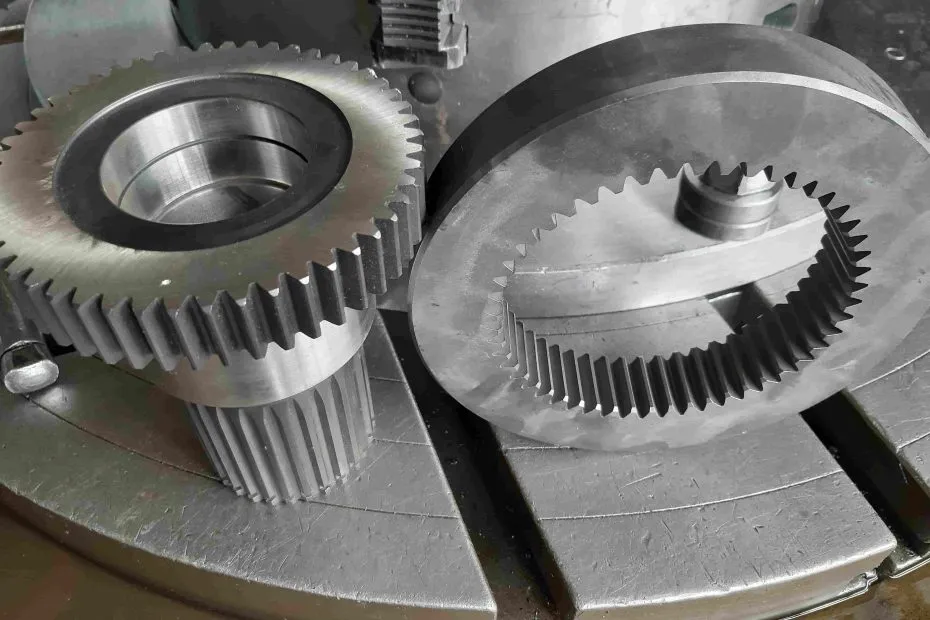
Gears with teeth cut on the inner surface of a ring — used in planetary systems, brake drums, and gear-type shaft couplings.
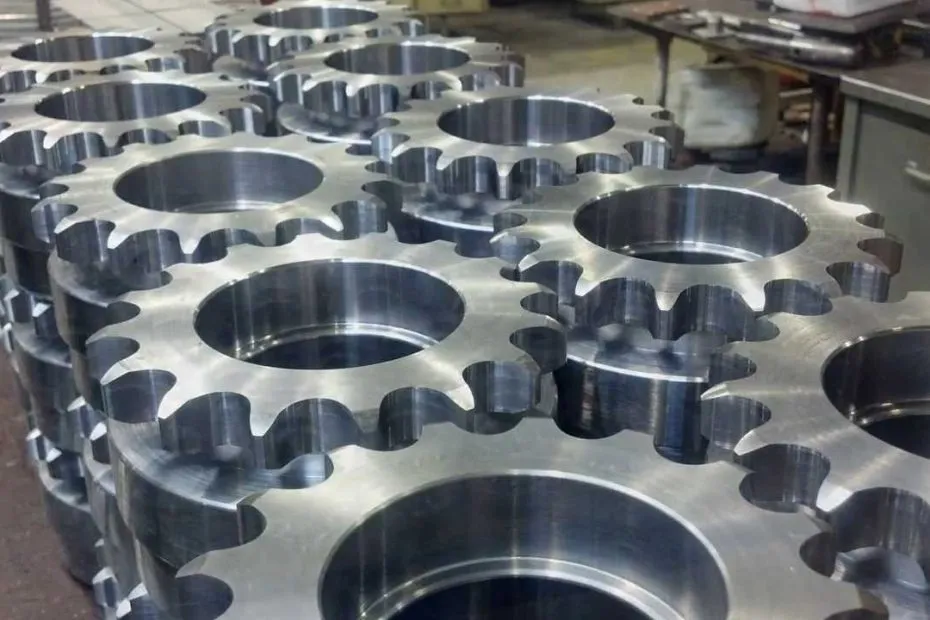
Toothed wheels that mesh with a chain to transmit rotary motion — used in motorcycles, conveyors, lifting equipment, and many industrial machines.
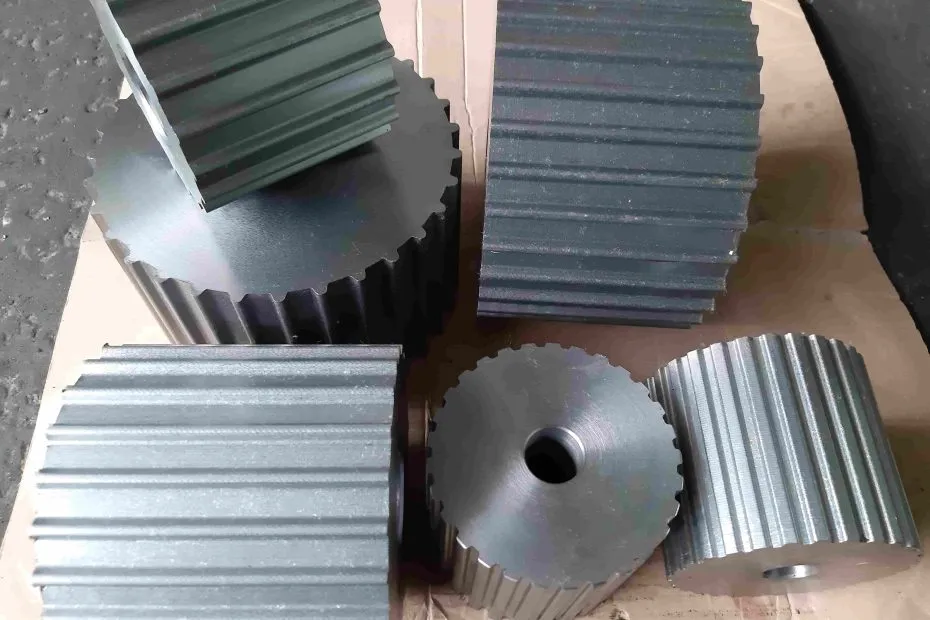
Toothed pulleys that engage with a timing belt to maintain precise synchronization — ideal for high RPMs without lubrication.

Longitudinal slot machined into a shaft and the matching hub to lock them together with a key — a standard solution for safe torque transmission.
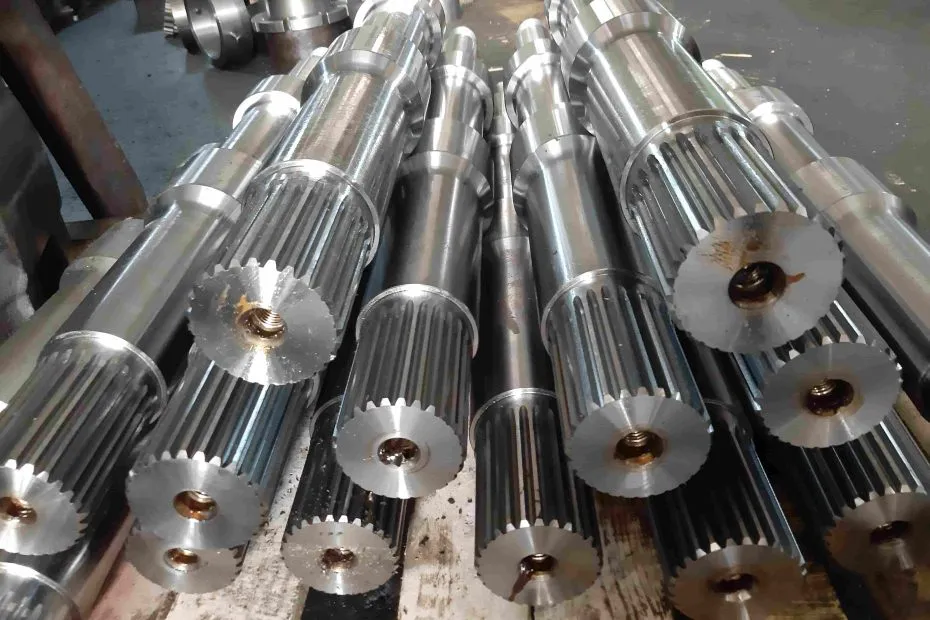
Long shafts with integrated gear teeth and keyway slots — manufactured up to 5000 mm in length to international standards.
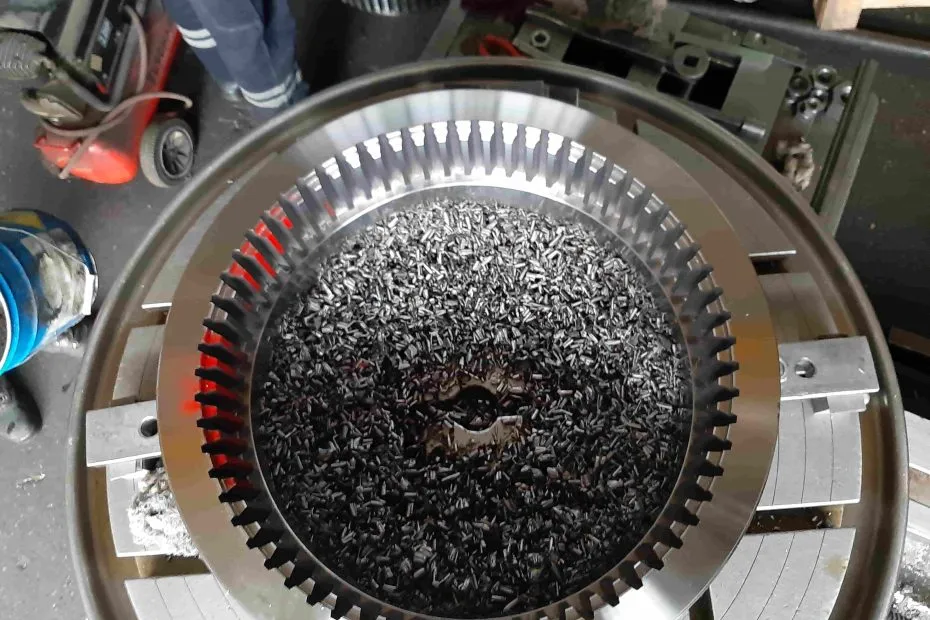
Flexible couplings that compensate angular, radial, and axial misalignments while transmitting high torque — for heavy-industry shaft connections.
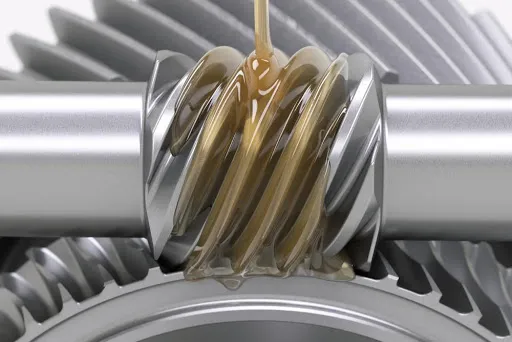
A worm screw meshing with a worm wheel to achieve very high reduction ratios and self-locking — ideal for lifting equipment and reducers.
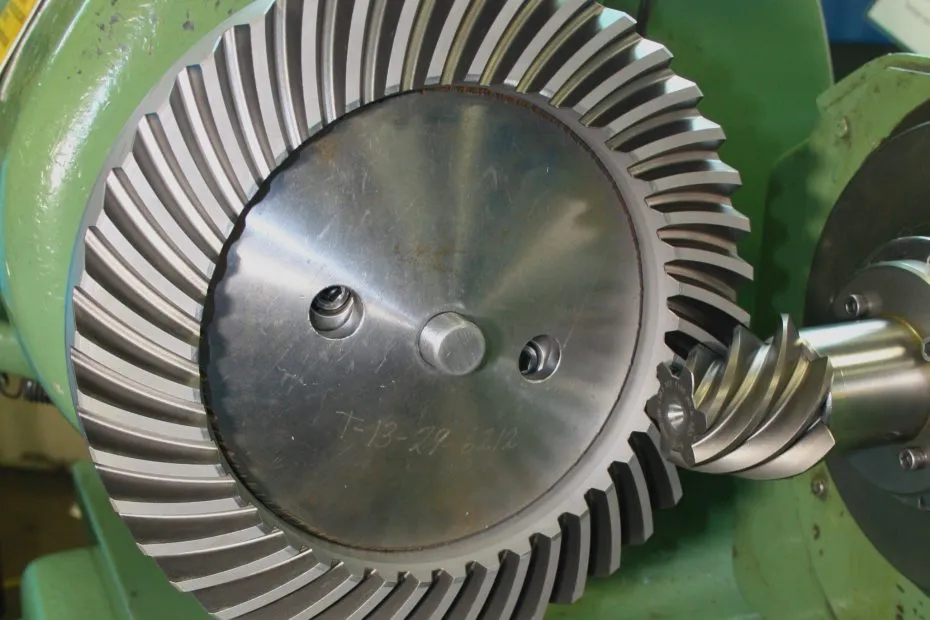
Bevel gears with spiral teeth that engage smoothly — quieter and stronger than straight bevels, working between intersecting shafts.
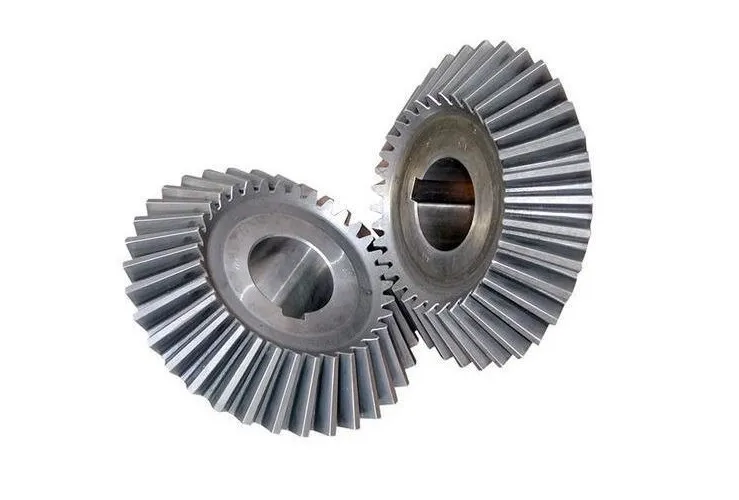
Conical gears used to transmit power between intersecting (typically 90°) shafts — straight-bevel form is easy to manufacture and widely used.
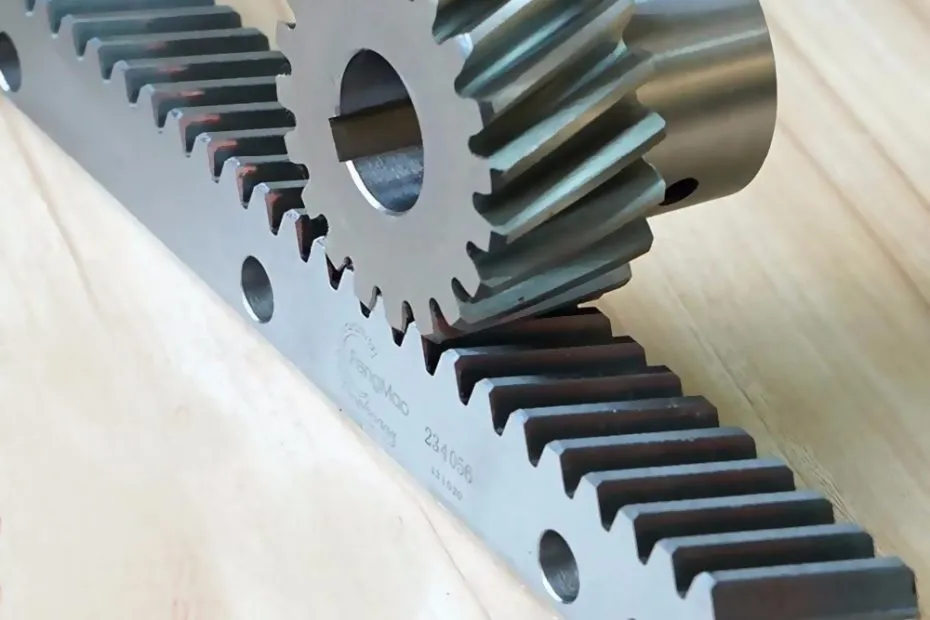
A flat or straight bar with teeth — when meshed with a pinion, it converts rotary motion into linear motion (and vice versa).

Hardened, custom-form dies used in egg-shape coal briquette production lines — wear-resistant and made to the customer's shape.